
Terrarium
Everything You Need to Know About a Terrarium
A terrarium is a beautiful and versatile way to bring nature into your home. It’s a glass container in which a miniature ecosystem is created, complete with plants, decorations, and sometimes even small animals. We’ll walk you through the process, answer frequently asked questions about terrariums, and cover everything you need to know to create and maintain your own terrarium.
What is a terrarium?
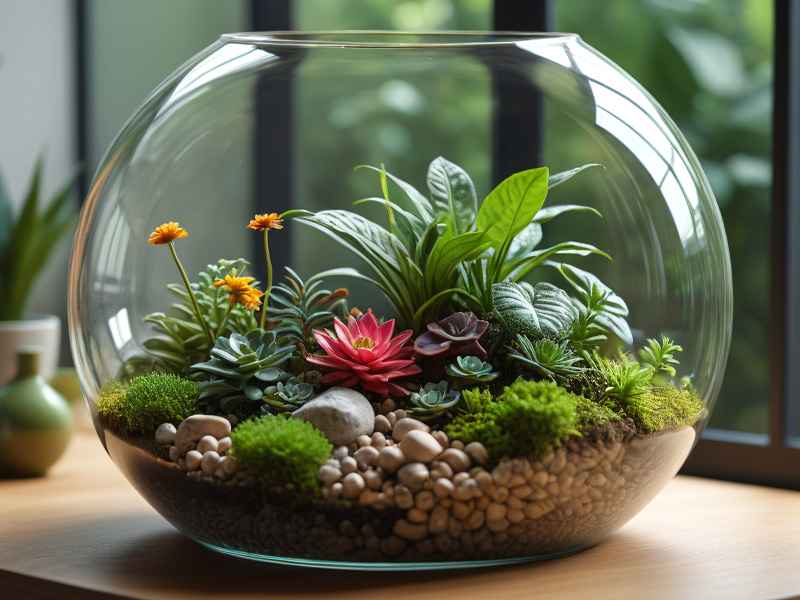
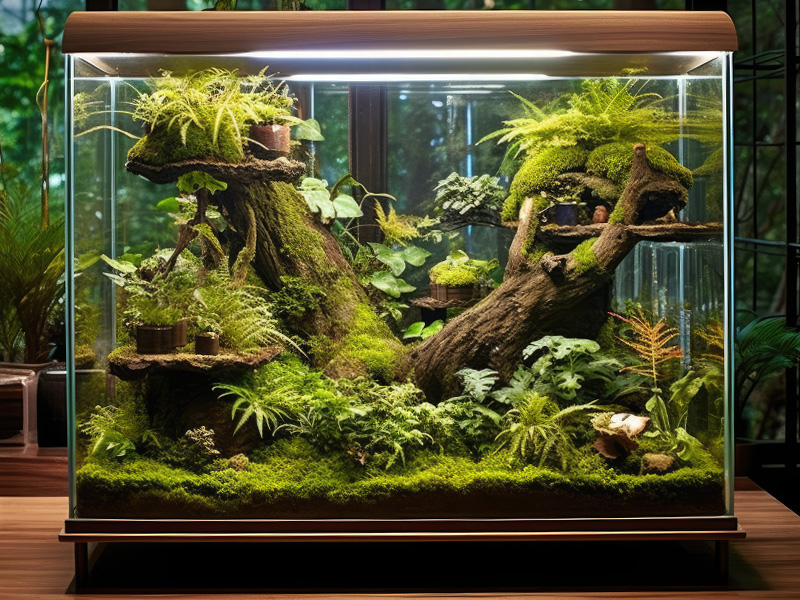
A terrarium is a closed or semi-open glass container in which plants are grown. It can be used as a decorative piece in the home or as a habitat for certain animals, such as reptiles, amphibians, or insects. Terrariums are popular because of their aesthetic appeal and the ease with which they can be maintained. They are also ideal for people with limited space, as they offer a compact yet vibrant piece of nature. Depending on the plants used and the design, a terrarium can have a tropical, desert-like, or forest-like appearance. This makes it a versatile decorative element that fits into virtually any setting. Moreover, terrariums require relatively little maintenance, making them an attractive choice for both novice and experienced terrarium enthusiasts. Want to make your own terrarium? Read on!
What types of terrariums are there?

Animal terrariums
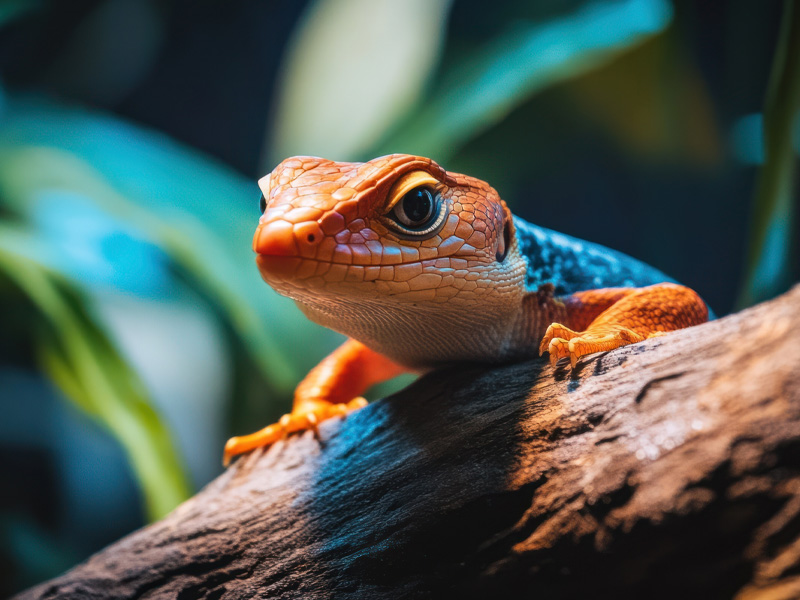
These terrariums are designed for animals such as poison dart frogs, amphibians, or insects. They require additional equipment, such as heating, UV lighting, and specific decorations, to meet the animals’ needs.

Aquaterrarium
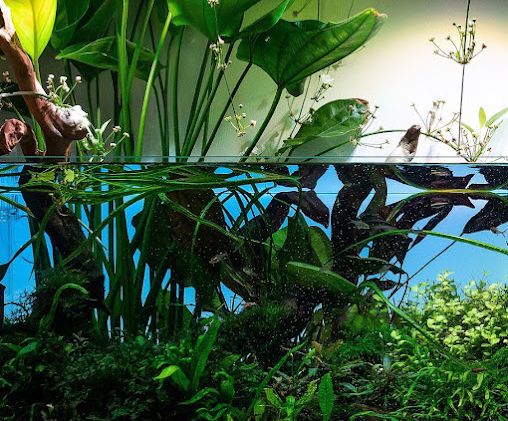
A combination of aquatic and terrestrial areas, suitable for animals such as turtles or amphibians. This type of terrarium provides a unique ecosystem.

Open terrarium
Open terrariums are ideal for plants that need a drier environment, such as cacti and succulents. They are less prone to condensation and require less maintenance.

Closed terrarium
Closed terrariums have a lid and create a humid, tropical climate. They are perfect for moisture-loving plants such as ferns and mosses.
Terrarium Plants
Which plants are best for a terrarium?
Not all plants are suitable for a terrarium. Choose plants that are appropriate for the type of terrarium you want to create. Here are some popular options:
Tropical plants: Such as ferns, mosses, and Tillandsia ( air plants). These plants thrive in a humid environment.
Succulents and cacti: Ideal for a dry terrarium with low water requirements.
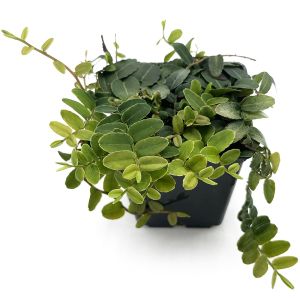
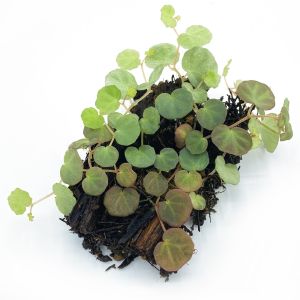
Small climbing plants: Such as ivy or Ficus pumila, which add texture and dimension.
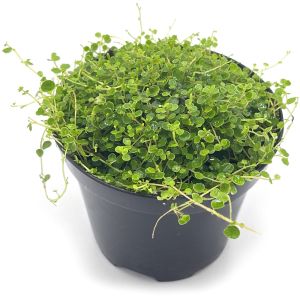
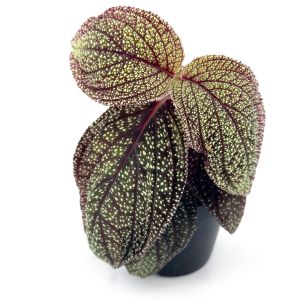
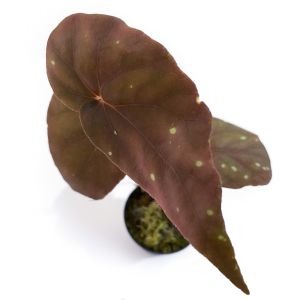
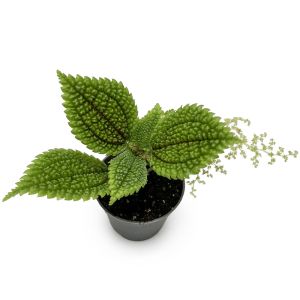
Sonerila: A striking plant with beautiful colors and patterns, ideal for tropical terrariums. This plant thrives in humid and warm conditions.
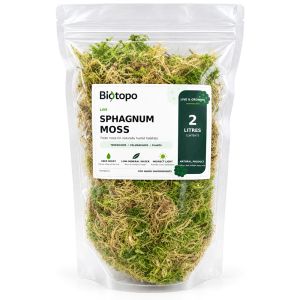
Tropical mosses: Such as Leucobryum moss (cushion moss) and Sphagnum moss, which provide a soft, green covering and retain moisture.
Ferns: For example, the staghorn fern or the button fern, which add a lush, tropical look.
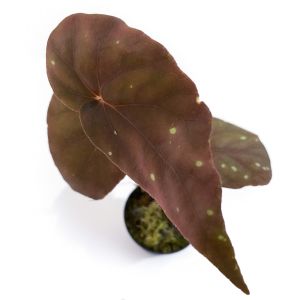
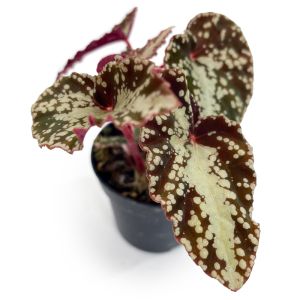
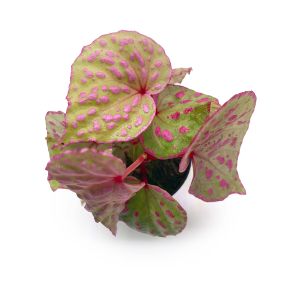
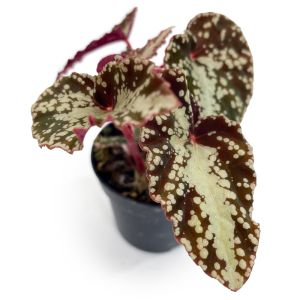
Begonia: This plant offers a wide range of colors and leaf textures, from soft green hues to vibrant patterns. Begonias thrive in humid terrariums.
How do you choose the right combination of plants?
When selecting plants, it is important to consider:
Light requirements: Combine plants with similar light needs.
Humidity: Make sure all the plants in your terrarium have the same humidity requirements.
Size: Choose compact plants that don’t grow too quickly.
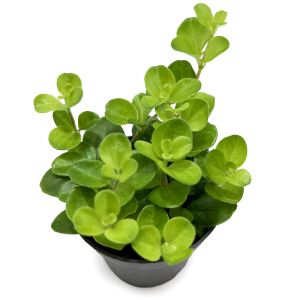
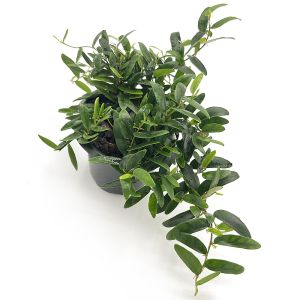
Climbing plants, such as Peperomia and Epipremnum (pothos), are excellent for adding height and visual interest. Ferns, such as Nephrolepis cordifolia Duffy, bring a lush, tropical look. Tropical mosses not only add beauty but also help maintain a humid microclimate in your terrarium. Begonias provide pops of color and a unique texture.
Terrarium Lighting
Best Terrarium Lighting for Your Terrarium
Light is essential for photosynthesis, the process by which plants produce their energy. Proper terrarium lighting ensures that your plants stay healthy and grow well.
What types of terrarium lighting can you use?
Natural light: Place your terrarium near a window, but avoid direct sunlight to prevent overheating.
LED lighting: Energy-efficient and available in various color temperatures. Perfect for terrariums with low heat requirements.
UV lamps: Necessary for terrariums with reptiles, as these animals need UV rays for their health.
How much light does a terrarium need?
This depends on the plants and animals in your terrarium. In general, most terrarium plants need 8–12 hours of light per day. Use a timer to ensure consistent light levels.
Available at Biotopo!
The Latest Skylight Terrarium Lighting
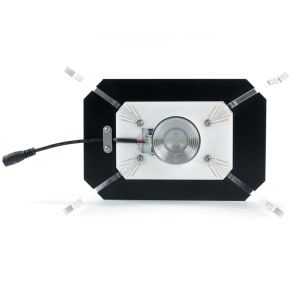
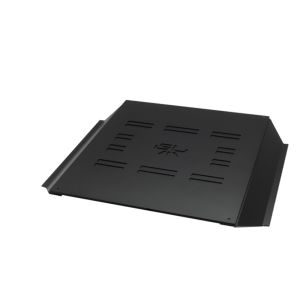
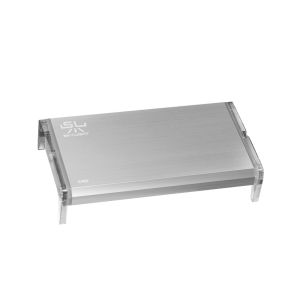
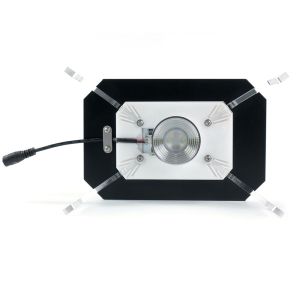
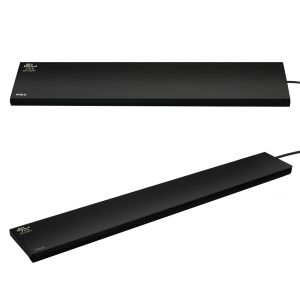
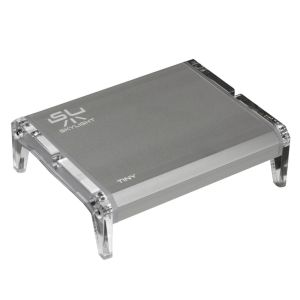
Skylight terrarium lighting is a high-quality option specifically designed for terrariums. It not only provides the right light intensity but also a broad spectrum that is ideal for both plants and animals. Skylight lamps are available in various models, such as the Skylight Tiny series, which is compact and fits perfectly in small terrariums, as well as the Skylight Hyperbar and Skylight PR2.Q
Benefits of Skylight lighting:
Broad light spectrum: Supports photosynthesis and brings out the natural colors of plants and animals.
Energy efficiency: Skylight LED bulbs consume less energy and have a long lifespan.
Design: The lights feature a sleek design and fit into any type of terrarium, from tropical to arid.
Dimmability: Some models allow you to adjust the light intensity, which is ideal for different types of plants and animals.
With Skylight lighting, you can create an environment that is both functional and aesthetically pleasing. Using this lighting ensures that your plants grow healthily and your animals feel comfortable.
Terrarium Decorations
What kinds of terrarium decorations can you add?
Terrarium decorations play an important role in the appearance and functionality of your terrarium. Consider the following elements:
Wood: Such as driftwood or branches, which give a natural look.
Rocks and stones: For texture and a rustic look.
Mosses: For a green, lush effect.
Miniature objects: Small figurines or ornaments to add a personal touch.
How do you choose safe decorations?
Make sure all decorative elements are safe for plants and animals. Use natural materials free of chemicals and avoid sharp edges.
Terrarium Care
How do you maintain a terrarium?
Although terrariums are relatively low-maintenance, they require regular care to stay healthy. Here are a few tips:
Watering: Water your plants according to their needs. Use a spray bottle for even distribution.
Pruning: Trim overgrown plants regularly to maintain space and balance.
Air circulation: Open a sealed terrarium occasionally to prevent mold growth.
Cleaning: Remove dead leaves and clean the glass for a clear view.
How do you prevent common problems?
Mold: Avoid overwatering and ensure adequate air circulation.
Pests: Inspect regularly for insects and remove them by hand or with a biological pesticide.
Discoloration of plants: Check to see if the lighting and watering are adequate.
Terrarium FAQ
Frequently Asked Questions About Terrariums
The cost varies depending on the size, type, and materials. A simple terrarium can cost as little as €20, while elaborate animal terrariums can cost hundreds of euros.
Yes, with the right materials, you can easily make your own terrarium. Choose a glass container, then add layers such as gravel, activated charcoal, soil, and plants.
A well-maintained terrarium can last for years. Be sure to maintain it regularly and check for problems such as mold
No, plants need light for photosynthesis. Use artificial lighting if natural light is not available.
Plants such as ferns, mosses, and vascular plants are ideal because of their moisture needs and low light requirements.
This depends on the type of terrarium. Closed terrariums need to be watered less often than open terrariums. Check the humidity regularly.
A terrarium is primarily intended for plants or dry habitats, while a paludarium features a combination of aquatic and terrestrial areas.
Yes, small animals such as snails or insects can live in a plant terrarium, provided the environment is suitable.
The size depends on the plants or animals. A small container is sufficient for plants, while animals need more space.
Ensure good air circulation and avoid overwatering. Use a ventilation opening if necessary.
Use a light, well-draining potting mix. For succulents, you can use a special cactus mix.
Yes, but make sure it’s protected from extreme temperatures and direct sunlight.
Remove dead plants and replace them with new ones. Check conditions such as light and humidity.
Use a damp cloth or a chemical-free glass cleaner. Clean gently so as not to damage the plants.
Yes, a terrarium is a fun and educational project for kids. Help them water and care for it.
LED lighting is ideal because it is energy-efficient and generates little heat.
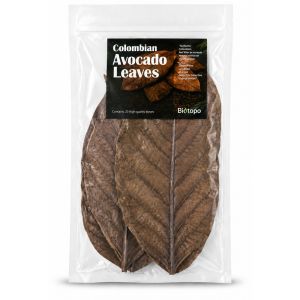
Start with a layer of Epiweb panel or Hygrolon, followed by leaves, moss, and then branches and decorations. Plant the plants and spray them with osmosis water.


Biotopo