



- No products in the cart.
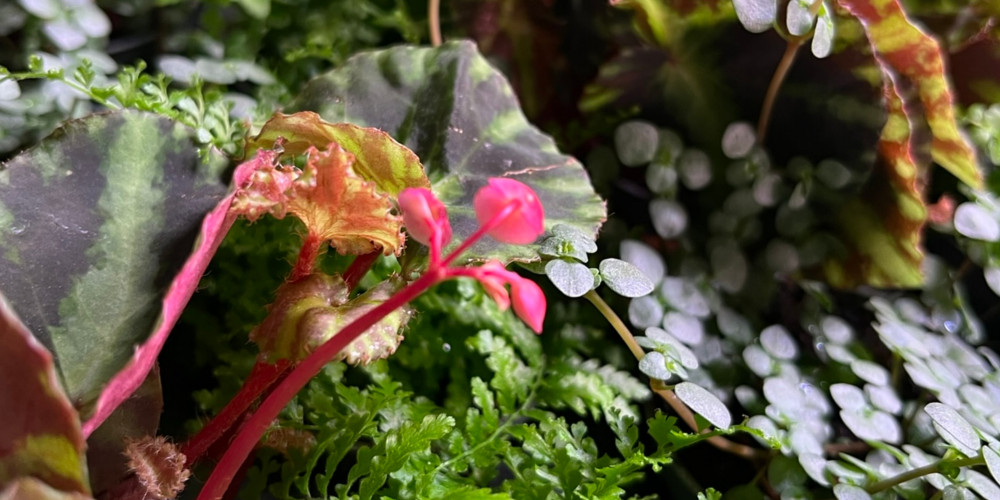
A terrarium is a beautiful ecosystem that brings a piece of nature into your home. With the right care, your terrarium plants will stay healthy, and your miniature world will flourish into a lush and harmonious whole. In this comprehensive blog post, you’ll learn everything there is to know about caring for terrarium plants.
What Is a Terrarium?
A terrarium is a sealed or semi-open glass container used to house plants. Mimicking natural conditions, such as humidity and light, is essential to creating a sustainable ecosystem. There are two types of terrariums: open and closed.
Closed terrarium: Ideal for plants that thrive in high humidity, such as ferns, moss, and tropical plants.
Open terrarium: Suitable for plants that require less moisture, such as succulents and cacti.
The type of terrarium you choose largely determines which plants you can use and how you should care for them.
Choosing the Right Terrarium Plants
The success of your terrarium begins with choosing the right plants. Select plants that match well in terms of moisture and light requirements. Here are some popular options:
Plants for a Closed Terrarium
Ferns: Such as Polystichum tsus-simense or the small Nephrolepis cordifolia Duffy.
Mosses: For example, sheet moss or sphagnum moss.
Peperomia: Also known as the mosaic plant, it is ideal for its colorful leaves, such as those of Peperomia caperata.
Peperomia: Compact plants that thrive in a humid environment.
Plants for an Open Terrarium
Succulents: Such as Echeveria, Crassula, and Haworthia.
Cacti: Ideal for dry conditions.
Tillandsia: This air plant, such as the Tillandsia Ionantha Fuego, requires very little soil and thrives in open spaces.
By choosing plants with similar needs, you increase the chances of having a healthy terrarium.
The Basics of Caring for Terrarium Plants
Light
Light is one of the most important factors in caring for terrarium plants. Terrarium plants need indirect light; direct sunlight can be too intense and burn the plants.
For enclosed terrariums: Place the terrarium in a spot with bright, indirect light.
For open terrariums: Succulents and cacti need more light. Place them near a window that gets morning or evening sun.
If there isn’t enough natural light, you can use grow lights. LED lights are energy-efficient and effective.
Water
Watering terrarium plants requires precision. Too much water can lead to root rot, while too little water causes the plants to dry out.
Closed terrarium: Check for condensation on the glass. Slightly damp walls indicate that the ecosystem is in balance. If there is little condensation, you can lightly mist the terrarium with a plant sprayer.
Open terrarium: Water only when the soil feels dry. Use a watering can with a fine spout to prevent overwatering.
It is best to use filtered water or rainwater, as tap water contains minerals that can be harmful.
Humidity
Humidity levels in a terrarium are crucial for plant health. Closed terrariums naturally maintain high humidity levels, while open terrariums are drier.
Tip for closed terrariums: Add a small amount of water every now and then if the humidity drops.
Tip for open terrariums: Use a humidifier in dry rooms to maintain ideal conditions.
Temperature
Most terrarium plants thrive at room temperatures between 18 and 24 degrees Celsius. However, avoid sudden temperature fluctuations and do not place your terrarium near drafts or direct heat sources such as radiators.
Soil and Drainage
The right soil is essential for caring for terrarium plants. Good soil ensures adequate drainage and oxygen.
Terrarium Substrate Layering
Drainage layer: Start with a layer of pebbles or aquarium gravel to absorb excess water.
Activated charcoal: This helps prevent odors and keeps the ecosystem fresh.
Potting mix: Use a well-draining mixture of potting soil, sand, and peat moss. For succulents, you can use cactus soil.
Moss layer: A layer of Tropical Moss Mix adds a decorative touch and helps retain moisture.
By adding these layers, you prevent water from pooling around the roots, which can cause root rot.
Problems and Solutions for Caring for Terrarium Plants
Mold and Rot
Mold growth is a common problem in enclosed terrariums. This is often caused by overwatering or poor ventilation.
Solution: Remove affected leaves and leave the terrarium open for a few hours to let it air out. Reduce watering. But most importantly, add springtails.
Pests
Although pests are less common in terrariums, insects such as fungus gnats or aphids can be a problem.
Solution: Use natural pesticides such as neem oil, or introduce predatory insects.
Wilting
In “Caring for Terrarium Plants,” if plants start to wilt, this may indicate insufficient water, too much sunlight, or poor soil quality.
Solution: Adjust the watering and light levels, and replace the soil if necessary.
Creative Decoration Ideas for Your Terrarium
A terrarium isn’t just an ecosystem—it’s also a work of art. Here are some tips for making your terrarium look great:
Add small decorations, such as miniature houses, animal figurines, or stones.
Use plants of different colors and textures to create a varied look.
Create variations in elevation using rocks or raised areas.
Care Schedule for Terrarium Plants
A good care schedule helps you keep your terrarium healthy and beautiful:
Weekly: Check for signs of overwatering, mold, and pests.
Monthly: Prune overgrown plants and remove dead leaves.
Annually: Replace the soil as needed and replant to stimulate growth.
Anyone Can Care for Terrarium Plants
Caring for terrarium plants requires attention to detail, but with the right knowledge, maintenance is simple and enjoyable. By choosing the right plants, ensuring optimal light, water, and soil conditions, and performing regular maintenance, you can create a beautiful and healthy terrarium that beautifies your home and brings a sense of calm. For the English version of this blog, please visit www.biotopo.eu

 Biotopo