
Neoregelia Fireball F2

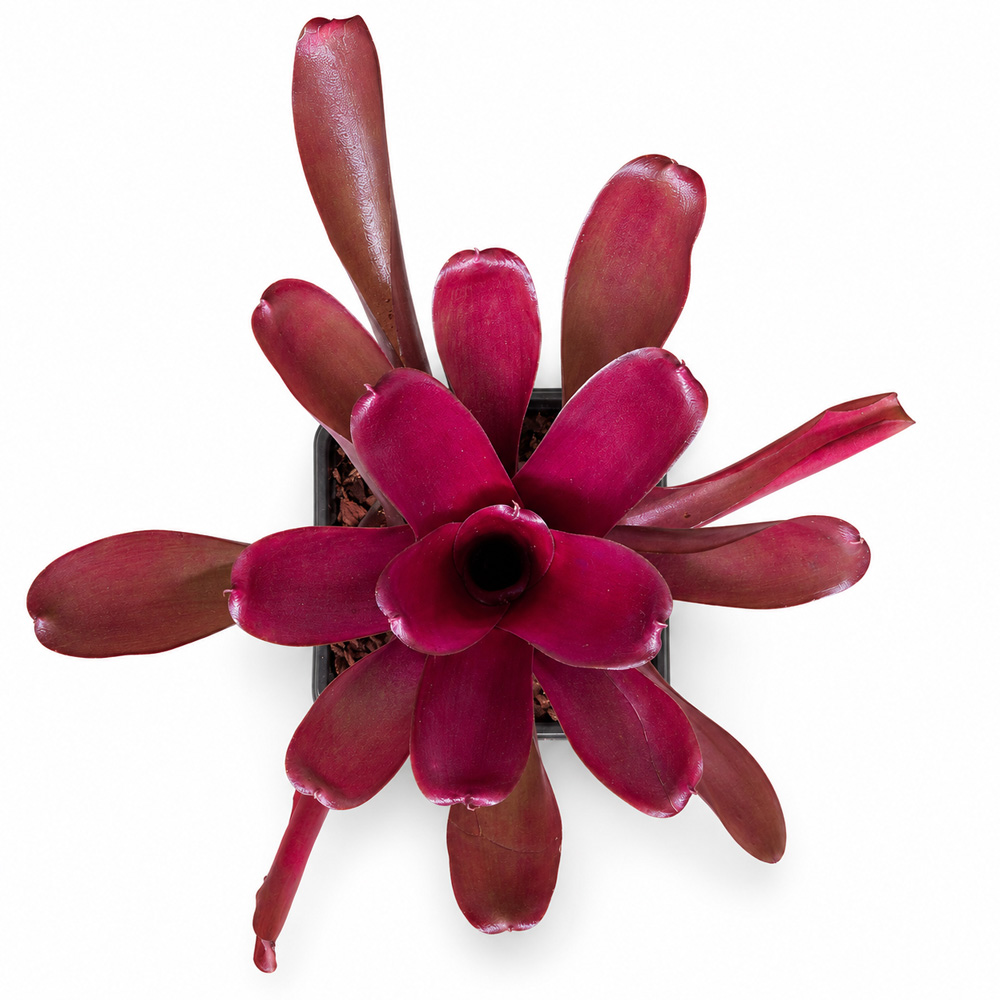
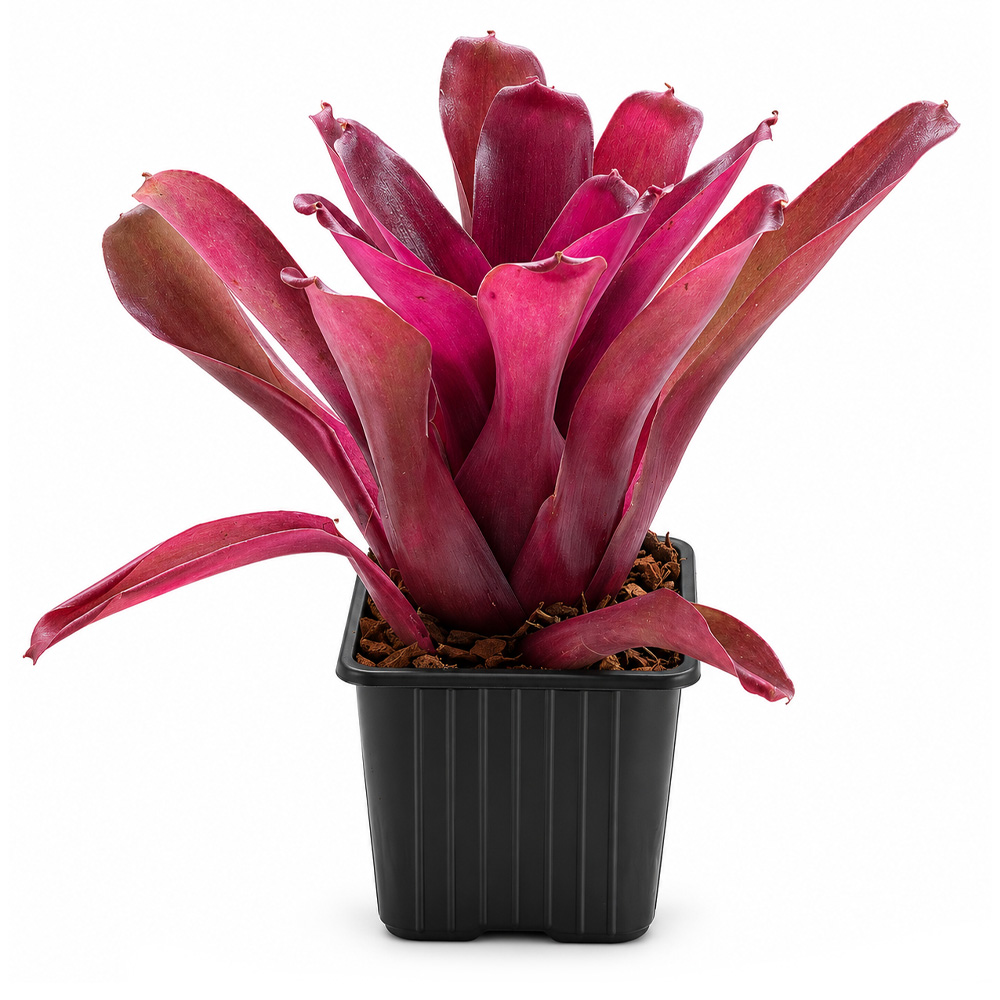
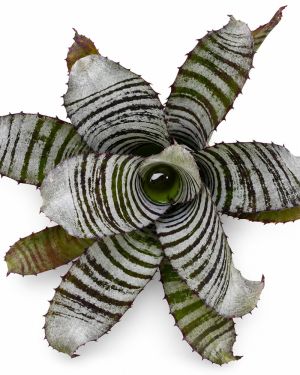
The Neoregelia Fireball F2 is a compact bromeliad with a beautiful deep red to purplish-red leaf colour. This distinctive variety remains more compact and has a slightly more purplish appearance than the standard Neoregelia Fireball. Ideal for small tropical terrariums, bioactive vivariums and poison dart frog terrariums. The graceful rosette forms natural water-retaining leaf axils and adds a striking splash of colour to your miniature rainforest.

€ 6,95

In stock

Added to Shopping cart Shopping cart Checkout
Added to Wishlist Wishlist
Deleted from Wislist
Share:

Neoregelia Fireball F2 – a compact bromeliad with purplish-red leaves

The Neoregelia Fireball F2 is a distinctive variety of the popular Neoregelia Fireball. Just like the original Fireball, this bromeliad is known for its striking leaf colour and characteristic rosette shape. The F2 is distinguished by its more compact growth habit and a slightly deeper, more purplish colour.

Whilst the standard Fireball often has a bright red appearance, this variety displays more burgundy and purple hues. The warm, dark shades really come into their own, particularly in sufficient light.

Thanks to its compact growth habit, the Neoregelia Fireball F2 is an excellent choice for tropical terrariums where you want to add plenty of colour without the plants taking up too much space.

What makes the Fireball F2 different from the standard Fireball?

The main difference between the Neoregelia Fireball F2 and the standard Fireball lies in its growth habit and leaf colour.

The F2 grows more compactly and forms an elegant rosette with closely spaced leaves. This gives the plant a fuller appearance and makes it easy to combine with other small terrarium plants.

In addition, this variety has a slightly more purplish colour. The leaves can take on a deep reddish-purple or burgundy hue, depending on the lighting conditions.

These subtle differences make the Fireball F2 particularly appealing to enthusiasts who are already familiar with the standard Fireball but are looking for a different colour and growth habit.

Stunning deep red and purple leaf colours

The Neoregelia Fireball F2 is particularly prized for its striking colours.

The narrow, gracefully curved leaves grow from a central rosette and, in sufficient light, can develop an intense reddish-purple hue.

When combined with green mosses, small ferns and other tropical plants, a beautiful contrast is created. The dark leaf colours stand out particularly well against a background of fresh green moss or natural cork bark.

The final colour intensity depends on the amount of light, the age of the plant and the growing conditions.

In lower light, the leaves may turn greener. With sufficient bright, indirect light, the plant usually develops its characteristic deep colours.

Ideal for small tropical terrariums

Thanks to its compact growth habit, the Neoregelia Fireball F2 is particularly well-suited to smaller tropical terrariums.

The plant takes up relatively little space and can easily be combined with other bromeliads, ferns and mosses.

You can use the Fireball F2 as a colourful accent amongst green plants or place several specimens at different heights.

This bromeliad also provides extra texture and natural shelter in a bioactive vivarium.

The compact rosette looks particularly attractive when the plant is attached to a branch or against the back wall of a terrarium. This ensures that the striking leaf colour remains clearly visible.

A lovely addition to poison dart frog terrariums

Neoregelia bromeliads are popular in tropical poison dart frog terrariums. The leaves form natural rosettes in which small amounts of water can collect.

The Neoregelia Fireball F2 also has this rosette shape and can therefore be an interesting addition to a vivarium housing poison dart frogs.

The leaves provide sheltered spots and add extra texture to the décor.

For some poison-dart frog species, suitable water-retaining leaf axils can play a role during reproduction. Whether a specific rosette is suitable for this depends, amongst other things, on the size and depth of the water reservoirs.

Particularly as a decorative, compact bromeliad, the Fireball F2 is an attractive choice for tropical vivariums.

Epiphytic growth on branches and cork bark

The Neoregelia Fireball F2 is ideal for epiphytic cultivation. This means you can attach the bromeliad to a branch, a piece of cork bark or a suitable terrarium back wall.

The roots serve mainly to anchor the plant to the substrate. A thick layer of potting compost is therefore not necessary.

For a natural look, you can optionally cover the roots with a small amount of live sphagnum moss.

Ensure that the base of the plant receives sufficient air and does not remain constantly wet.

The bromeliad can also be kept in an airy, well-draining substrate.

Light and colour development

Sufficient light is important to bring out the characteristic purplish-red colour of the leaves to its best advantage.

Ideally, place the Neoregelia Fireball F2 in a bright spot with bright, indirect light.

In a terrarium, you can use suitable LED plant lighting, for example from Skylight.

If there is too little light, the leaves may lose some of their deep colour and turn greener.

Avoid prolonged exposure to bright, direct sunlight through glass. This can cause the leaves to overheat or become damaged.

Caring for Neoregelia Fireball F2

Temperature

A temperature of between approximately 20 and 26 °C is a good starting point. Avoid prolonged cold spells and large temperature fluctuations.

Humidity

A higher level of humidity, around 65 to 80 per cent, is well suited to a tropical terrarium setup. Also ensure there is sufficient air circulation.

Watering

The central rosette can retain small amounts of clean, preferably low-mineral water. Change this regularly and prevent dirt and plant debris from accumulating.

Substrate

Use a loose, well-draining substrate or secure the plant to wood or cork bark. Avoid keeping the roots wet for prolonged periods.

Fertilisation

The plant requires little additional fertiliser. If necessary, use a highly diluted, suitable plant fertiliser. In poison dart frog terrariums, care must be taken to prevent contact between fertilisers and the animals.

Growth and propagation

Over time, the bromeliad may develop new side shoots. These grow into independent rosettes and can eventually be carefully separated from the mother plant.

Specifications

CharacteristicSpecification
Product nameNeoregelia Fireball F2
FamilyBromeliaceae
Plant typeTropical bromeliad
VarietyFireball F2
Leaf colourDeep red to purplish red
Growth habitCompact, rosette-forming bromeliad
Distinctive featureMore compact and slightly more purple than the standard Fireball
Light requirementsBright, indirect light
TemperaturePreferably 20–26 °C
HumidityApproximately 65–80%
Water requirementsClean water in the rosette
LocationEpiphytic on wood or in a well-aerated substrate
UsesTropical terrarium, bioactive vivarium and poison dart frog terrarium

Care instructions

Attach the Neoregelia Fireball F2 to a branch, a piece of cork bark or a suitable terrarium back wall. Choose a well-lit spot where the compact rosette has enough space to develop.

Combine this unusual bromeliad with green mosses, small ferns and other tropical terrarium plants. The contrast between the deep purplish-red leaves and the green surroundings creates a natural, colourful look.

Keep the roots well-aerated and ensure the base of the plant does not remain wet for long periods. Use clean water in the rosette and change it regularly.

In a tropical vivarium, you can position the Fireball F2 at different heights to create more depth and variety in the layout.

As this is a living, natural product, the colour intensity, leaf shape and growth habit may vary from plant to plant.

Reviews

There are no reviews yet

Add a review
You must be logged in to post a review Log In

Maybe something for you as well?

More Products that you might like?

Privacy Preferences
When you visit our website, it may store information through your browser from specific services, usually in form of cookies. Here you can change your privacy preferences. Please note that blocking some types of cookies may impact your experience on our website and the services we offer.