

Oophaga Pumilio

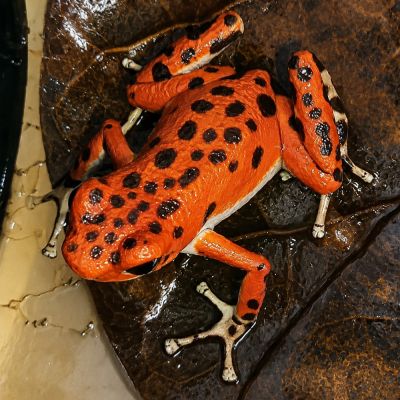
Oophaga pumilio, also known as the strawberry poison dart frog, is one of the most iconic poison dart frogs in the world. This species is known for its enormous color variation and striking appearance. From bright red with blue legs to completely blue or orange variants – Oophaga pumilio is a fascinating example of natural diversity. Due to its active behavior, unique reproductive strategy, and wide variety of local color forms, Oophaga pumilio is particularly popular within the terrarium hobby. At Biotopo, we offer exclusively carefully selected captive-bred animals.
Sorteren op
  • Sorteren op
  • Sorteren op nieuwste
  • Sorteer op populariteit
  • Op gemiddelde waardering sorteren
  • Sorteer op prijs: laag naar hoog
  • Sorteer op prijs: hoog naar laag
Filters wissen
Added to Shopping cart View Cart Checkout
Added to Wishlist Check Wishlist
Removed from wishlist
Oophaga pumilio, also known as the strawberry poison dart frog, is one of the most iconic poison dart frogs in the world. This species is known for its enormous color variation and striking appearance. From bright red with blue legs to completely blue or orange variants – Oophaga pumilio is a fascinating example of natural diversity. Due to its active behavior, unique reproductive strategy, and wide variety of local color forms, Oophaga pumilio is particularly popular within the terrarium hobby. At Biotopo, we offer exclusively carefully selected captive-bred animals.

What is Oophaga pumilio?

Oophaga pumilio naturally occurs in Central America, particularly in Costa Rica, Panama, and Nicaragua. This species inhabits tropical rainforests with a warm and humid climate.

What makes this species unique:

  • Extremely diverse color variations between populations
  • Compact size (approximately 2 cm)
  • Active daytime behavior
  • Intensive parental care

Within a single region, multiple color morphs can exist. This phenomenon is known as adaptive radiation: isolated populations develop their own unique appearance.

Why choose Oophaga pumilio?

  1. Enormous color diversity

Oophaga pumilio is famous for its variation. Popular color morphs include:

  • Red with blue legs
  • Completely blue
  • Orange variants
  • Yellow and greenish forms

Each local variant has its own unique character and appearance.

  1. Active and highly visible

This species is active during the day and highly visible in a densely planted terrarium. They constantly climb, hunt, and explore their environment.

  1. Fascinating parental care

Like other Oophaga species, pumilio displays remarkable breeding behavior. The female individually feeds the tadpoles with unfertilized eggs in small water reservoirs.

The ideal terrarium for Oophaga pumilio

Although Oophaga pumilio is small, the species still requires sufficient space and structure.

Dimensions

For a pair, we recommend at least:

  • 50x45x50 cm

For small groups, additional space is strongly recommended.

Climate

Optimal conditions:

  • Daytime temperature: 22–26°C
  • Humidity: 75–95%
  • Good ventilation
  • Slight nighttime temperature drop

Stable temperatures are more important than high temperatures.

Setup

A suitable terrarium includes:

  • Dense planting
  • Vertical climbing structures
  • Bromeliads for breeding
  • Moss and leaf litter
  • Multiple hiding places

A bioactive substrate with springtails and isopods helps support the ecosystem.

Feeding Oophaga pumilio

Due to their small size, they feed on tiny prey items.

Suitable food:

  • Drosophila fruit flies
  • Micro crickets
  • Springtails

Food should regularly be dusted with calcium and vitamin supplements. A varied diet contributes to optimal health and color intensity.

Behavior and territory

Oophaga pumilio can be territorial, especially males towards one another. In smaller terrariums, pairs are therefore often preferred.

Characteristics:

  • Active during the day
  • Visible and curious
  • Slight territorial behavior
  • Distinct calling during breeding season

With sufficient structure and hiding places, territorial stress can be minimized.

Breeding Oophaga pumilio

The breeding process is remarkable:

  1. The male attracts the female
  2. Eggs are laid in a moist location
  3. Tadpoles are individually transported to water reservoirs
  4. The female feeds each tadpole individually

This makes the species especially interesting for enthusiasts focused on breeding and behavior.

Is Oophaga pumilio poisonous?

In the wild, poison dart frogs contain toxins obtained from their natural diet. In terrarium conditions, they lose this toxicity.

Captive bred animals are therefore not dangerous, although handling is discouraged.

Who is Oophaga pumilio suitable for?

This species is suitable for:

  • Serious beginners with proper preparation
  • Advanced terrarium keepers
  • Enthusiasts of colorful species
  • Breeders

Due to their territorial behavior, some experience with bioactive systems is recommended.

Buying Oophaga pumilio at Biotopo

When purchasing Oophaga pumilio, correct identification of local variants is important. Mixing different populations is strongly discouraged.

At Biotopo, we offer:

  • Captive bred specimens
  • Clear information about local origins
  • Health checks
  • Advice on terrarium setup

We guide every customer to ensure the animals are kept under optimal conditions.

Frequently asked questions about Oophaga pumilio

How old does Oophaga pumilio live?

With proper care, Oophaga pumilio can live between 8 and 10 years.

Why does Oophaga pumilio have so many color variations?

Isolated populations developed separately, resulting in many different color morphs.

How large does Oophaga pumilio grow?

This species remains compact and reaches an average length of around 2 centimeters.

Can different color morphs be kept together?

This is discouraged to prevent crossbreeding and mixing of local variants.

Is Oophaga pumilio suitable for beginners?

With proper preparation it can be, although a stable bioactive terrarium and basic experience are beneficial.

What terrarium size is suitable?

For a pair, at least 50x45x50 cm is recommended with dense planting and structure.

Do Oophaga pumilio need bromeliads?

Bromeliads are strongly recommended, especially because they assist with natural breeding behavior and provide water reservoirs.

What does Oophaga pumilio eat?

Mainly fruit flies, springtails, and micro crickets, provided in a varied diet with supplements.

Is Oophaga pumilio territorial?

Yes, especially males can display territorial behavior. This is why pairs are often preferred.

What should I know before buying Oophaga pumilio?

Ensure you have a stable tropical terrarium, choose captive bred animals, and keep local variants separated to prevent hybridization.

Oophaga pumilio is the iconic strawberry poison dart frog

Oophaga pumilio is one of the most colorful and iconic poison dart frogs within the hobby. Thanks to its enormous variation, active behavior, and fascinating parental care, this species is an absolute eye-catcher in a well-designed tropical terrarium.