


- No products in the cart.
Ranitomeya
- Home
- Ranitomeya
- Home
- Ranitomeya
Ranitomeya is one of the most popular genera within the world of poison dart frogs. These small, brightly colored frogs are known for their high-contrast patterns, active behavior, and fascinating breeding strategy. Due to their compact size and vibrant appearance, Ranitomeya species are especially popular among both beginner and experienced terrarium enthusiasts.
Sorteren op
- Sorteren op
- Sorteren op nieuwste
- Sorteer op populariteit
- Op gemiddelde waardering sorteren
- Sorteer op prijs: laag naar hoog
- Sorteer op prijs: hoog naar laag
Filters wissen
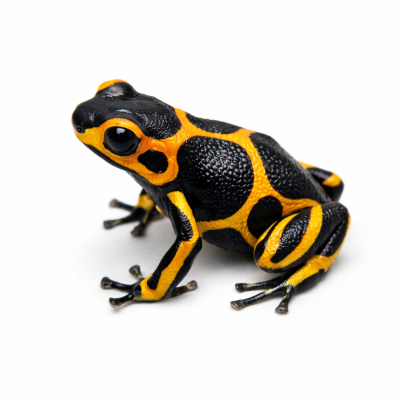
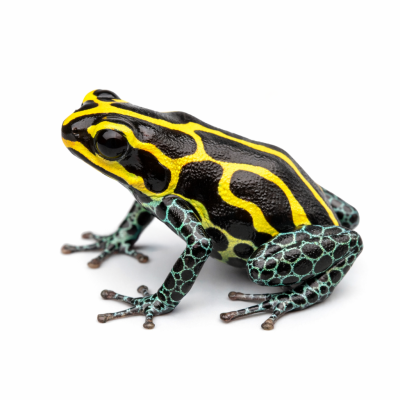
€ 80,00
Choose Options
This product has multiple variants. The options may be chosen on the product page
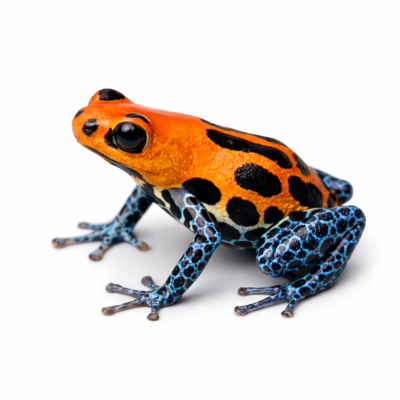
Ranitomeya is one of the most popular genera within the world of poison dart frogs. These small, brightly colored frogs are known for their high-contrast patterns, active behavior, and fascinating breeding strategy. Due to their compact size and vibrant appearance, Ranitomeya species are especially popular among both beginner and experienced terrarium enthusiasts.
What is Ranitomeya?
Ranitomeya is a genus of small poison dart frogs found in the Amazon regions of Peru, Colombia, Brazil, and Ecuador. These species inhabit tropical rainforests where they live among leaf litter, tree trunks, and bromeliads.
What makes Ranitomeya special:
- They remain small (2 to 2.5 cm)
- They are active during the day
- They display striking color combinations
- Many species are suitable for group housing
Unlike larger Oophaga species, Ranitomeya are often more dynamic and active. This makes them especially attractive to observe in a well-designed bioactive terrarium.
Why choose Ranitomeya?
- Ideal size for nano and medium-sized terrariums
Due to their small body size, Ranitomeya are perfectly suited for compact terrariums. A properly designed terrarium of 45x45x45 cm can already be sufficient for a small group when correctly set up.
- Highly active daytime frogs
Ranitomeya are visible and active throughout the day. They climb, hunt tiny feeder insects, and continuously explore their surroundings. This makes them visually appealing for enthusiasts who enjoy observing their animals.
- Spectacular color patterns
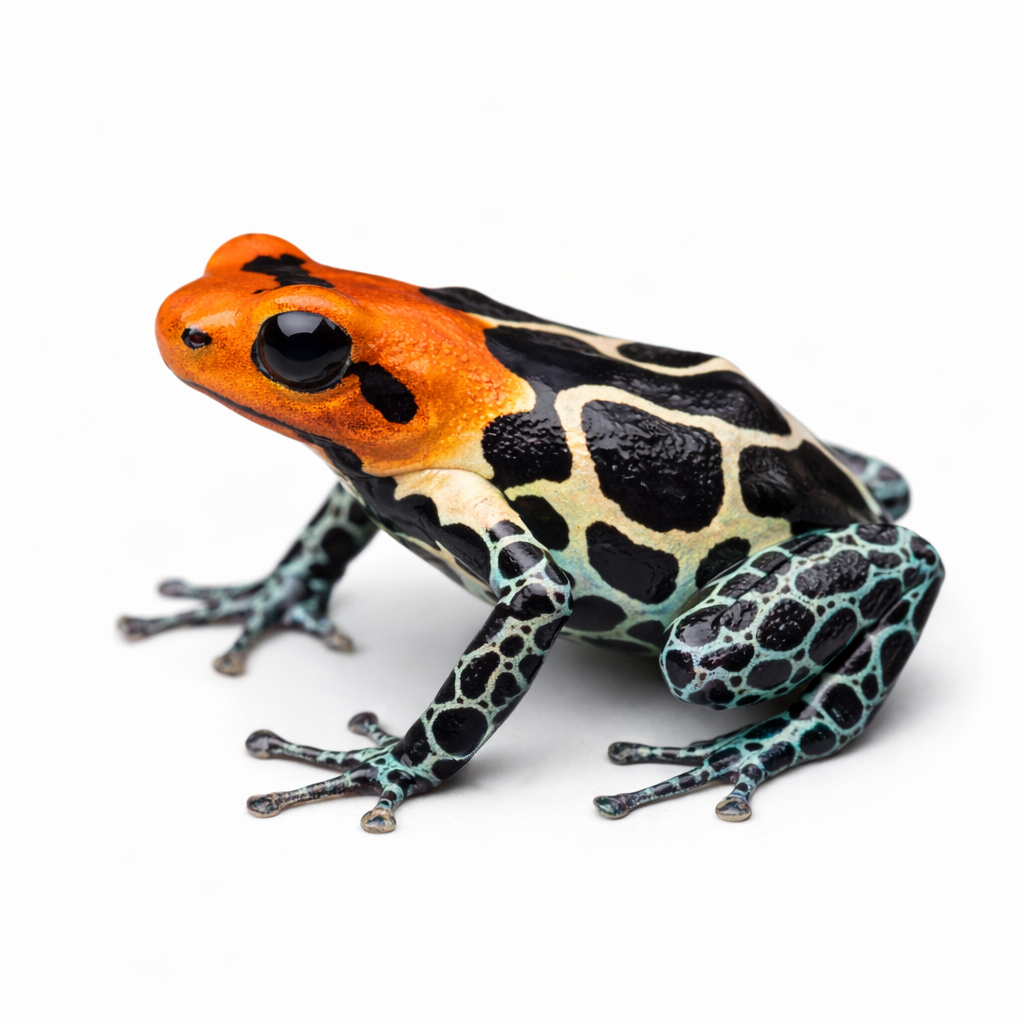
Blue with black, yellow with black, orange accents, or even turquoise combinations — Ranitomeya belong to the most colorful poison dart frogs. Each species and even each population can display unique patterns.
- Interesting breeding behavior
Many Ranitomeya species use small water reservoirs such as bromeliads or film canisters for tadpole development. Some species even display parental care where tadpoles are placed individually.
Popular Ranitomeya species
Several species and local variants are popular within the terrarium hobby:
- Ranitomeya imitator
- Ranitomeya variabilis
- Ranitomeya amazonica
- Ranitomeya reticulata
- Ranitomeya fantastica
Each species has its own color pattern and distribution area. At Biotopo, we always provide clear information regarding species purity and origin.
The ideal terrarium for Ranitomeya
A properly designed terrarium is essential for healthy and active animals. Ranitomeya have specific environmental requirements.
Dimensions
For a small group (2–4 animals), we recommend at least:
- 45x45x45 cm
- or 60x45x60 cm for larger groups
More important than size alone is structure and terrarium design.
Climate
Ranitomeya originate from tropical rainforests. Therefore, the following conditions are ideal:
- Daytime temperature: 22–26°C
- Nighttime temperature: slight drop allowed
- Humidity: 70–90%
- Good ventilation
Temperatures that are too high are more dangerous than slightly cooler conditions. Stability is crucial.
Setup
A successful Ranitomeya setup includes:
- Vertical climbing structures
- Moss and leaf litter
- Cork bark and branches
- Bromeliads or other epiphytes
- Hiding places
A bioactive substrate with springtails and isopods helps process waste and contributes to a stable microclimate.
Feeding Ranitomeya
Ranitomeya are insectivores. Due to their small size, they require tiny feeder insects.
Suitable food:
- Drosophila fruit flies (melanogaster / hydei)
- Micro crickets
- Springtails
Variation is important for a balanced diet. Additionally, it is essential to regularly dust feeder insects with calcium and vitamin supplements.
Proper nutrition is important for:
- Healthy growth
- Successful breeding
- Life expectancy
- Color intensity
Behavior and group housing
Many Ranitomeya species can be kept in small groups, provided the terrarium offers enough space and hiding places. However, temperament differs between species and even individuals.
Characteristics of Ranitomeya behavior:
- Active and curious
- Males softly call during breeding season
- Slight territorial behavior may occur
- Visible during the day
When keeping groups, observation is important. In case of conflicts, separating animals may become necessary.
Breeding Ranitomeya
Ranitomeya are known for their fascinating breeding strategy.
The process generally works as follows:
- The male calls to attract a female
- The female lays eggs in a moist location
- The male guards the eggs
- After hatching, tadpoles are transported to small water reservoirs
Some species display limited parental care, while others are more independent.
For successful breeding, the following are important:
- Stable humidity
- Available water points (bromeliads)
- Proper nutrition
- Minimal disturbance
Are Ranitomeya poisonous?
In the wild, poison dart frogs contain toxins obtained through their natural diet. In terrarium conditions, where they do not consume wild ants and beetles, they lose this toxicity.
Captive animals are therefore not dangerous. However, we always recommend washing hands after contact and avoiding unnecessary handling. They are display animals, not pets meant to be held.
Who are Ranitomeya suitable for?
Ranitomeya are suitable for:
- Beginner enthusiasts who prepare well
- Advanced hobbyists
- Lovers of nano terrariums
- Breeders interested in behavior and reproduction
They require more attention than standard reptiles, but with proper knowledge they are manageable and rewarding to keep.
Buying Ranitomeya at Biotopo
When purchasing Ranitomeya, quality is essential. Healthy animals can be recognized by:
- Clear eyes
- Active behavior
- Good body condition
- Clean skin
At Biotopo, we work exclusively with:
- Captive bred animals
- Pure bloodlines
- Healthy, controlled populations
- Correct documentation where required
We always provide advice regarding suitable terrariums, setup, and nutrition beforehand. This ensures both animal and owner start successfully.
Frequently asked questions about Ranitomeya
How old do Ranitomeya live?
With proper care, Ranitomeya generally live between 8 and 10 years.
Can Ranitomeya be kept with other species?
Mixing species is discouraged to prevent stress and possible hybridization.
How often should I feed Ranitomeya?
Daily feeding with small amounts of fruit flies or other suitable feeder insects is ideal.
Are Ranitomeya suitable for beginners?
With a properly designed bioactive terrarium and correct preparation, they are suitable for serious beginners.
How large do Ranitomeya grow?
Ranitomeya remain small and generally reach 2 to 2.5 centimeters in length.
What terrarium size is suitable for Ranitomeya?
For a small group, at least 45x45x45 cm is recommended with sufficient climbing structures and hiding places.
Do Ranitomeya need bromeliads?
Bromeliads are strongly recommended, especially if you wish to stimulate breeding and provide natural microhabitats.
Are Ranitomeya poisonous in a terrarium?
Captive bred animals lose their toxicity because they receive a different diet than in the wild.
How much does a Ranitomeya cost?
Pricing varies depending on species and local variant. Captive bred animals from reliable origins generally have higher value.
What should I pay attention to when buying Ranitomeya?
Look for captive bred animals, species purity, active behavior, and clear information regarding origin and care.
Ranitomeya — a dwarf poison dart frog with spectacular colors
Ranitomeya are small yet impressive poison dart frogs that combine color, activity, and natural behavior within a relatively compact terrarium. Due to their size and dynamic nature, they are among the most popular species within the hobby.
With proper knowledge, a stable bioactive terrarium, and high-quality animals, Ranitomeya become a fascinating addition to any tropical setup.
 Biotopo